- 08139153387
- Hello@www.ovationbranding.com
- No 11, fate-tanke road, opposite Bloodlink Ilorin

Understanding the psychology of gambling Why do we take risks
The psychology of gambling is deeply intertwined with our understanding of risk-taking. Humans are naturally inclined to seek excitement, and gambling presents a thrilling opportunity to engage with chance. This desire for adventure can stem from evolutionary traits that favor risk-taking as a means of survival. The adrenaline rush associated with gambling can create a euphoric high that keeps individuals returning for more, regardless of the potential consequences.
Moreover, the allure of risk can be enhanced by the possibility of significant rewards. The thought of a substantial win can be intoxicating, leading individuals to overlook the odds stacked against them. This cognitive bias, known as the “gamblers fallacy,” leads many to believe they can beat the system. This flawed reasoning can create a cycle of repeated gambling, where the thrill of the game overshadows the rational assessment of risks involved.
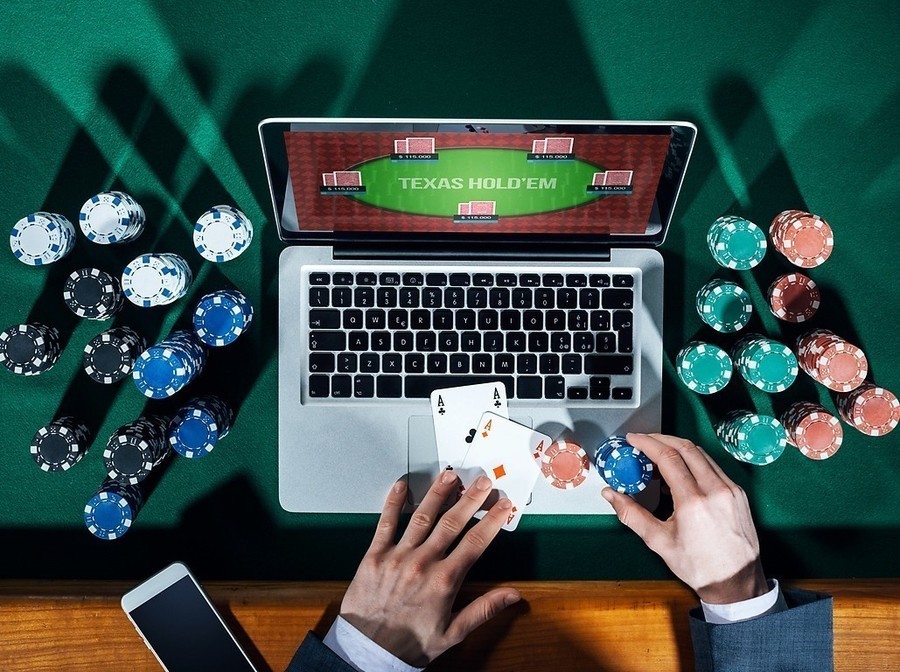
Cultural influences also play a significant role in the psychology of gambling. Many societies glamorize risk-taking behaviors, whether through media portrayals of high-stakes gamblers or stories of life-changing wins. This normalization can lead individuals to perceive gambling as a socially acceptable form of entertainment, further fueling their willingness to take risks without considering the long-term implications.
Cognitive biases significantly impact the decision-making processes involved in gambling. One prevalent bias is the illusion of control, where gamblers believe they can influence outcomes in games of chance. For instance, a player might think that their betting strategy can increase their chances of winning, despite the fact that games like slots or roulette are inherently random. This belief can lead to overconfidence, causing players to wager more than they should.
Another cognitive bias is the availability heuristic, where individuals rely on immediate examples that come to mind. If someone recalls a recent win, they may erroneously believe that they are on a winning streak, encouraging them to take greater risks. This thinking can distort their perception of reality, leading to poor financial decisions and increased gambling behavior.
Ultimately, understanding these biases is crucial for responsible gambling. Awareness of cognitive distortions can help individuals make informed choices, reducing the likelihood of impulsive decisions that stem from faulty reasoning. By cultivating critical thinking skills, gamblers can become more aware of their thought processes, leading to healthier gambling habits.
Emotions play a pivotal role in the gambling experience, influencing individuals’ choices and behaviors. Many gamblers are driven by emotional states such as excitement, anticipation, or even despair. For some, gambling acts as a coping mechanism to escape from daily stresses or emotional turmoil. The temporary relief that comes from placing a bet can create a cycle of emotional dependency, where individuals continuously seek the thrill of gambling to manage their feelings.
The highs and lows associated with gambling can also produce significant emotional responses. Winning can lead to euphoria, while losses can result in feelings of shame and guilt. These emotional roller coasters can create a strong attachment to gambling, making it difficult for individuals to break free from the cycle. The emotional highs can overshadow rational thought, causing gamblers to chase losses in an attempt to regain their previous emotional state.
Furthermore, social influences can exacerbate emotional triggers. Friends and family can shape one’s perception of gambling, often romanticizing it as a fun and thrilling experience. When surrounded by others who gamble, individuals may feel pressured to conform and engage in riskier behaviors. Understanding these emotional triggers is essential for anyone looking to navigate the complexities of gambling, enabling them to recognize when their emotions may be driving their actions.
The environment plays a critical role in shaping gambling behavior. Factors such as location, ambiance, and social interactions can significantly influence a person’s willingness to take risks. For example, casinos are designed to create an immersive experience, filled with bright lights, sounds, and an atmosphere of excitement. This sensory overload can lead to impulsive decisions, encouraging individuals to gamble more than they initially intended.
Online gambling platforms, like Lolajack Casino, also create unique environments that can affect user behavior. The convenience of mobile gaming and the ability to gamble from home can make it easy to engage without the immediate social pressures found in physical casinos. However, the absence of face-to-face interactions may lead individuals to overlook the realities of their gambling habits. This disconnect can lead to overspending and difficulty in recognizing harmful behaviors.
Moreover, the role of peer influence should not be underestimated. Social circles can significantly affect a person’s gambling habits, either by encouraging risk-taking or promoting responsible behavior. Understanding the impact of one’s environment is vital for recognizing triggers that may lead to impulsive gambling decisions, enabling individuals to create healthier gambling experiences.
At , players can enjoy a vast array of gaming options, including slots, live casino offerings, and sports betting. However, the platform emphasizes the importance of responsible gambling. With over 10,550 games available, players are encouraged to set personal limits and use the various tools provided to maintain control over their gaming habits. This commitment to responsible play is essential for fostering a safe and enjoyable environment.
The casino also offers resources to help players understand the psychology behind their gambling behavior. By providing information on cognitive biases and emotional triggers, empowers users to make informed decisions. This educational approach is designed to promote awareness and encourage players to recognize the fine line between entertainment and potential addiction.
Ultimately, aims to create an unparalleled online gambling experience, prioritizing player safety while offering enticing bonuses and a diverse selection of games. By fostering a culture of responsibility and awareness, the platform encourages players to enjoy gambling while understanding the risks involved.


